Hormones don’t control our lives – but they interact with everything we are.
 Sanna Wiker

How hormones affect women’s brains — and why culture matters more than we think.
Part 2/4 The Role of Hormones in Women's Thinking – Overrated or Underestimated?
Theme: UNDERSTAND – Deepen the picture of internal influence
What happens in the brain during the menstrual cycle? During pregnancy? During menopause?
The short answer: a lot.
The long answer: a lot – but not in the way you might think.
Hormones and the brain – what does the research say?
Yes, estrogen, progesterone and oxytocin affect the brain.
They regulate:
- Memory
- Emotional recovery
- Sleep
- Learning
- Social sensitivity
But: they’re not the only players. The brain’s state is also affected by:
- Sleep quality
- Social support
- Stress levels
- Self-image
Example: Baby brain – a modern myth?
“I’m pregnant – I have such baby brain!”
Heard that before? Maybe said it yourself?
But studies show that pregnant women perform just as well on cognitive tests as before.
Exception:
when they’re sleep-deprived. Then memory is affected – but that goes for everyone, regardless of gender or life stage.
In the animal world, researchers have observed the opposite: mothers become sharper, more focused, better at navigating and protecting their young. Evolution has optimized motherhood – not weakened it.
So why do we believe the opposite?
Perhaps because society accepts that women downplay their capabilities during these phases.
It gives us a “socially approved” excuse to feel tired, forgetful, or overwhelmed – without being questioned.
PMS – biology or belief?
Studies show that in France, around 10% of women report emotional effects from PMS.
In parts of the Middle East, that number is closer to 90%.
The hormones are the same. The culture is not.
In studies where women don’t know researchers are measuring PMS, they report far less emotional change than when they believe it’s being tested.
So the brain is shaped not just by hormones – but by what we expect to feel.
So...
Hormones are not the problem.
It’s often our interpretation that makes us feel powerless.
When we get to know our cycle, our language, and our support systems – we can navigate hormonal changes with strength, not shame.
Some perhaps helpful thoughts to explore:
- When was the last time I blamed my hormones?
- What other explanation might exist for how I’m feeling?
- How can I use my knowledge of my cycle to my advantage?
🤸♀️~It takes courage to see, and practice to grow.~🌳
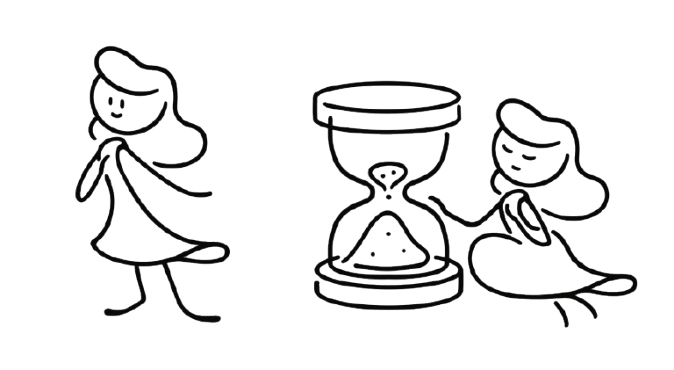
Vaka says: “Notice how often we accept biology as destiny — when it's really just one piece of a larger picture.”
Våga says: “What if you dared to stop apologizing for your cycle — and began to work with it, not against it?”
Vila says: “Let your rhythm be sacred. You are allowed to move slower, to listen, to rest.”
Categories: : The Female Brain Series